
French Bulldog Training Tips: A Comprehensive Guide for New Owners in 2025
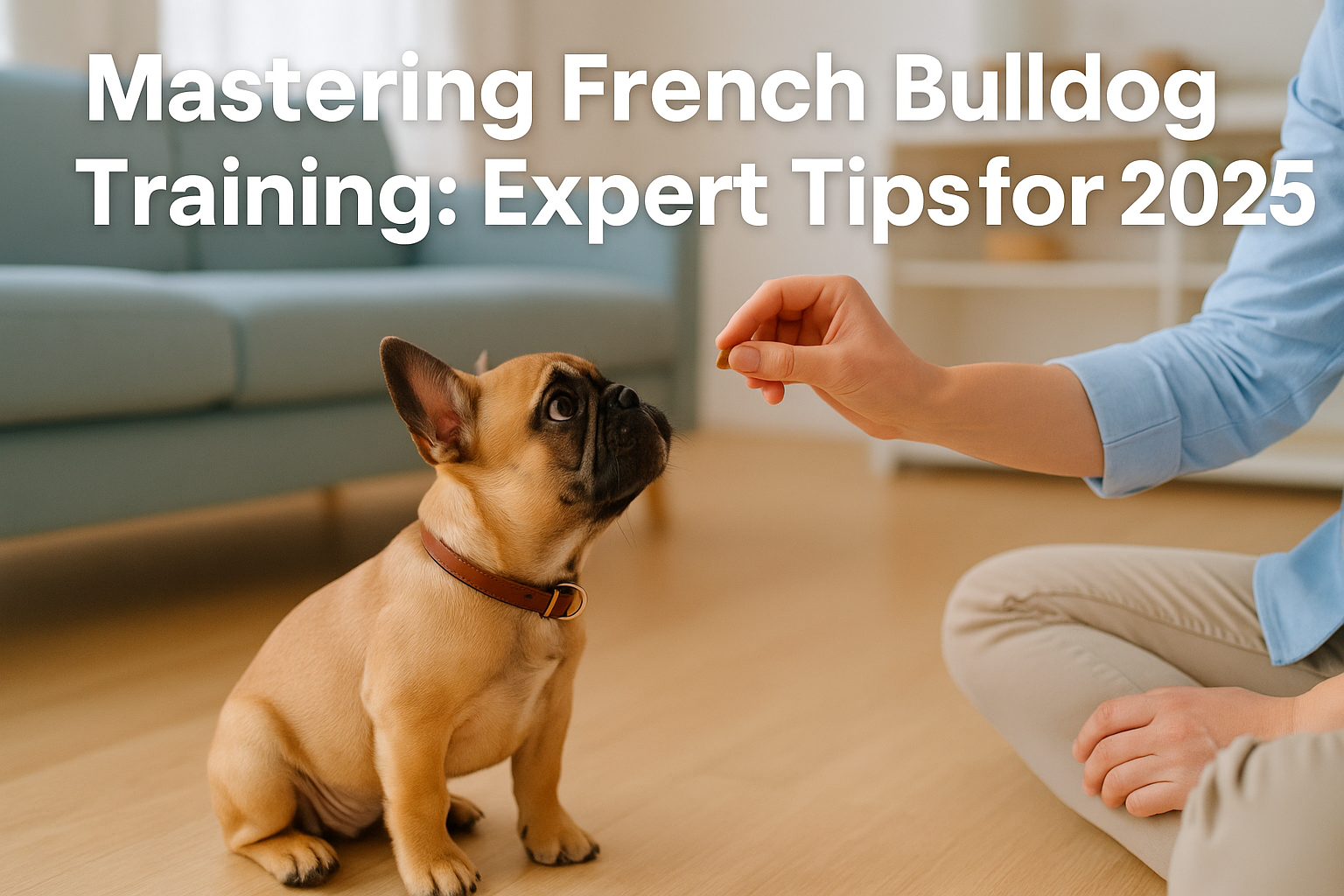
Bringing a French Bulldog puppy into your home is an exciting new adventure! These charming, compact companions are known for their playful personalities, distinctive bat ears, and affectionate nature. However, like any breed, a well-behaved Frenchie doesn’t just happen – it’s the result of consistent, positive training. If you’re preparing to welcome one of these adorable pups into your family in 2025, understanding effective French bulldog training tips from the start is crucial for a happy, harmonious life together. This comprehensive guide will equip you with the knowledge and strategies to raise a polite, confident, and well-adjusted French Bulldog.
Key Takeaways
- Start Early with Positive Reinforcement: Begin training your French Bulldog puppy as soon as they arrive home, focusing on positive reinforcement to build confidence and a strong bond.
- Consistency is Paramount: French Bulldogs thrive on routine. Maintain consistent commands, schedules, and expectations across all family members.
- Socialization is Non-Negotiable: Expose your puppy to a wide variety of sights, sounds, people, and other friendly dogs early on to prevent fear or aggression issues.
- Address Breed-Specific Needs: Be mindful of their brachycephalic (short-nosed) nature, which impacts exercise tolerance and heat sensitivity, influencing training approaches.
- Patience and Persistence Pay Off: Training takes time. Celebrate small victories, remain patient, and seek professional help if you encounter significant challenges.
Understanding Your French Bulldog: Breed Characteristics and Temperament
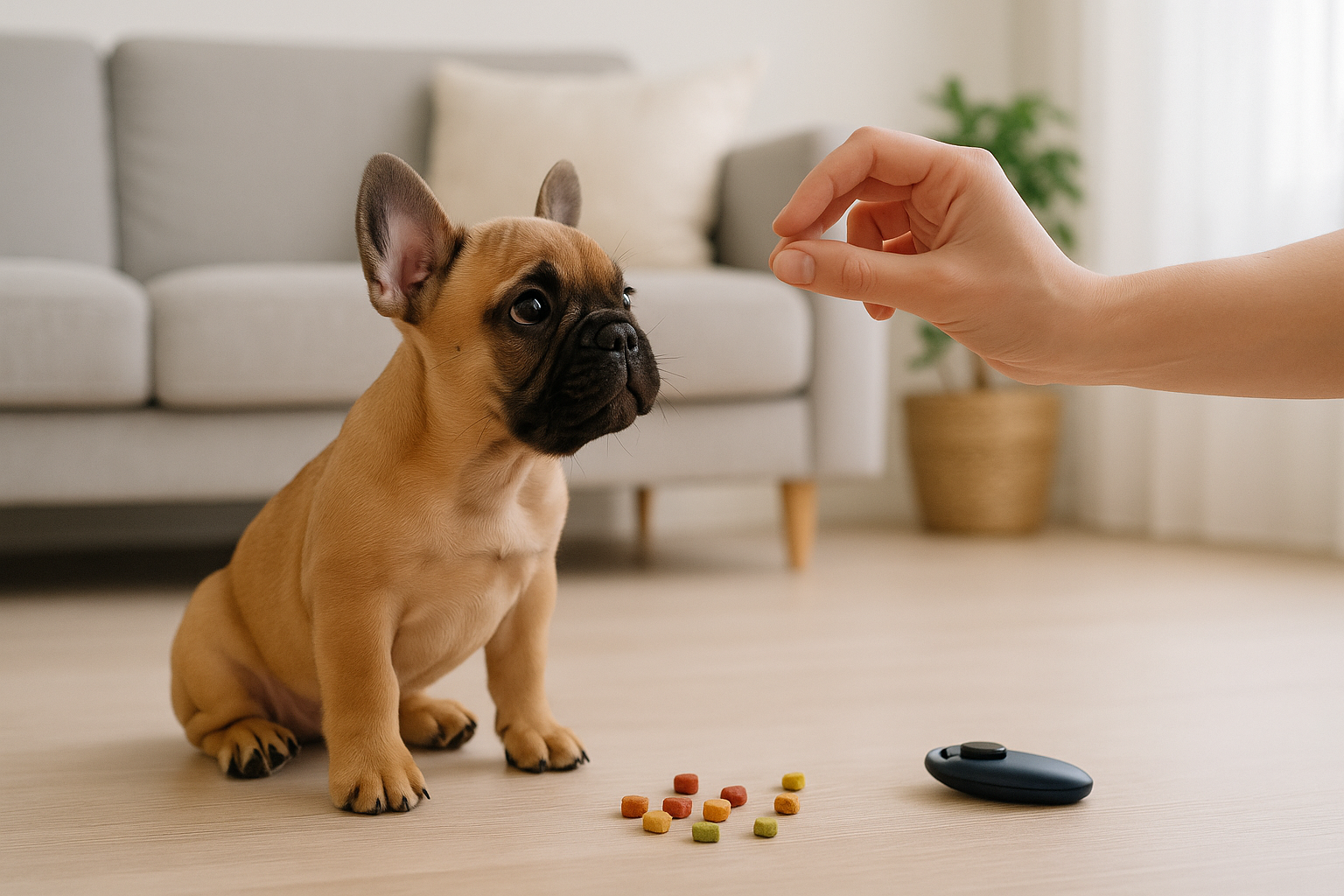
Before diving into specific French bulldog training tips, it’s essential to understand the unique characteristics of this beloved breed. French Bulldogs are intelligent, eager to please, and generally good-natured, making them relatively easy to train for first-time dog owners. However, they also possess a stubborn streak, a common trait among bulldogs, which can present challenges if not addressed with patience and consistency.
Frenchies are companion dogs through and through. They thrive on human interaction and do not do well when left alone for long periods. Their desire to be close to their people makes them excellent candidates for positive reinforcement training, as they are highly motivated by praise, treats, and attention. Their compact size makes them ideal for apartment living, but don’t let their small stature fool you – they are surprisingly muscular and have a mischievous, playful side.
When you’re looking for a French Bulldog puppy, it’s vital to choose a reputable breeder. We at Designer French Bulldogs are proud to be the #1 AKC French Bulldog breeder, focusing on exceptional structure, health, and longevity in all our pups. We believe in providing healthy, happy Frenchie puppies for sale to loving homes.
Essential Gear for French Bulldog Training Success
Before your French Bulldog puppy even steps paw in your home, having the right equipment ready will set you up for success.
- Crate: A comfortable, appropriately sized crate is invaluable for house training and creating a safe den for your pup.
- Collar/Harness and Leash: Given their brachycephalic nature, a harness is usually preferred over a collar to avoid putting pressure on their trachea. Explore our range of French Bulldog clothes and accessories for stylish and functional options.
- High-Value Treats: Small, soft, and delicious treats will be your best friend during training sessions.
- Chew Toys: French Bulldogs love to chew, especially during teething. Providing appropriate chew toys will redirect their chewing from your furniture.
- Food and Water Bowls: Sturdy, non-slip bowls are essential.
- Enzyme Cleaner: Accidents happen! A good enzyme cleaner is vital for neutralizing odors and discouraging repeat marking.
“Training a French Bulldog is a journey of patience, consistency, and positive reinforcement. Their eager-to-please nature, combined with a dash of bulldog stubbornness, makes for a rewarding challenge that strengthens the bond between owner and pup.”
Foundation French Bulldog Training Tips: Starting Strong in 2025
The early weeks and months are critical for shaping your French Bulldog’s behavior. Starting early with consistent, positive training methods will lay a solid foundation for a well-behaved adult dog.
1. Potty Training: Establishing a Routine
Potty training is often the first and most immediate challenge for new puppy owners. French Bulldogs, like most small breeds, have smaller bladders and require frequent potty breaks.
- Frequent Potty Breaks: Take your puppy out every 1-2 hours initially, especially after waking up, eating, drinking, and playing.
- Designated Potty Spot: Choose a specific spot in your yard or outside space and consistently take your puppy there. Their scent will encourage them to go.
- Reward Success: When your puppy eliminates outside, praise them enthusiastically and immediately offer a high-value treat. This positive association is key.
- Supervise Indoors: Keep a close eye on your puppy when indoors. If you can’t actively supervise, use a crate or a puppy-proofed area.
- Clean Accidents Thoroughly: Use an enzymatic cleaner to remove all traces of odor from accidents, preventing your puppy from returning to the same spot.
- Crate Training for Potty Training: A well-sized crate prevents accidents because dogs naturally don’t want to soil their sleeping area. This teaches them to hold it.
2. Crate Training: A Safe Haven
Crate training is one of the most beneficial French bulldog training tips, providing your puppy with a secure den and aiding in house training, preventing destructive chewing, and offering a safe space when you can’t supervise.
- Introduce Positively: Make the crate a fun place! Throw treats and toys inside, letting your puppy explore on their own terms.
- Comfort is Key: Add a soft bed or blanket and a favorite toy to make the crate inviting.
- Short Intervals: Start with short periods in the crate, gradually increasing the time. Never use the crate as punishment.
- Meals in the Crate: Feeding your puppy their meals inside the crate can help them form a positive association.
For more insights into creating a comfortable home environment for your Frenchie, check out our guide on blue Frenchies at home: structure and comfort.
3. Basic Obedience Commands: Sit, Stay, Come, Down
Teaching basic obedience commands is fundamental for safety and good manners. French Bulldogs are intelligent and can pick up commands quickly with the right approach.
- Keep it Short and Sweet: Puppy attention spans are short. Keep training sessions brief (5-10 minutes) and fun, ending on a positive note.
- Positive Reinforcement: Use treats, praise, and enthusiastic verbal cues (“Good sit!”) when your puppy performs correctly.
- Lure and Reward: Use a treat to guide your puppy into the desired position (e.g., holding a treat over their head to encourage a “sit”).
- Consistency: Use the same command words and hand signals every time. Ensure everyone in the household uses the same methods.
- “Come” (Recall): This command is vital for safety. Practice it frequently in a secure, enclosed area. Make coming to you the most rewarding thing ever!
4. Leash Training: Polite Walking Manners
Given their compact size and often robust energy, teaching your French Bulldog to walk politely on a leash is essential for enjoyable outings.
- Start Early: Introduce the collar/harness and leash early, letting your puppy wear them for short periods indoors.
- Positive Association: Make the leash a good thing! Attach it and immediately offer treats and praise.
- Practice Indoors First: Begin with short walks around your home, getting your puppy used to the feeling of the leash.
- Reward Loose-Leash Walking: When your puppy walks nicely without pulling, reward them. Stop walking if they pull, waiting for the leash to slacken before moving again.
5. Socialization: A Crucial Component of French Bulldog Training Tips
Proper socialization is perhaps one of the most critical French bulldog training tips for raising a well-adjusted dog. Early and positive exposure to a variety of experiences helps prevent fear, anxiety, and aggression later in life.
- Exposure to New Sights and Sounds: Gently expose your puppy to different environments – parks (once vaccinated), city sounds, car rides, vacuum cleaners, etc. Make each experience positive with treats and praise.
- Meet New People: Introduce your puppy to a diverse range of people (different ages, genders, appearances) in a controlled and positive manner.
- Safe Dog Encounters: Once fully vaccinated, enroll your puppy in a reputable puppy class or arrange supervised playdates with friendly, vaccinated adult dogs. This teaches them appropriate canine communication.
- Handling: Regularly handle your puppy’s paws, ears, and mouth. This prepares them for vet visits and grooming sessions.
We, as AKC Frenchie breeders who care, emphasize the importance of early socialization for all our AKC Frenchie puppies.
French Bulldog Color Guide & Pricing Scale (Approximate for 2025)
The price of a French Bulldog puppy can vary significantly based on color, lineage, breeder reputation, and specific genetic traits. At Designer French Bulldogs, we pride ourselves on offering healthy, well-socialized puppies across a range of beautiful colors. Below is an approximate pricing scale for 2025, noting that prices are subject to change and individual puppies may vary.
| Color | Description | Approximate Price Range (2025) |
|---|---|---|
| Black | A solid, deep black coat, often appearing sleek and elegant. This is a classic and striking color. | Starting at $3,000 |
| Cocoa | A rich, dark brown color, often mistaken for black but revealing a beautiful chocolate hue in the right light. | Starting at $3,500 |
| Blue | A stunning dilute black, giving the coat a beautiful grayish-blue appearance. Blue French Bulldogs are highly sought after. Learn more about our blue French Bulldog puppies. | Starting at $4,500 |
| Lilac | A double dilute color, combining blue and chocolate genetics to produce a unique silvery-purple or light greyish-brown shade. Very rare and beautiful. | $5,500 – $6,000 |
| Isabella | An extremely rare and highly prized color, resulting from specific genetic combinations (testable chocolate and blue). It presents as a dilute liver or light champagne color, often with striking green eyes. Discover more about Isabella French Bulldogs. | Starting at $7,000 |
| Rojo (New Shade) | Another extremely rare and sought-after color, representing the “new shade” of fawn or cream with specific genetic markers. It’s a testament to advanced breeding and genetics. | Starting at $8,000 |
| Fawn | A light tan or yellowish-brown color, ranging from light cream to a darker reddish-brown. Can include a black mask. | Varies |
| Pied | Primarily white with patches of any other color (black, fawn, blue, etc.). The patches are typically distinct and well-defined. | Varies |
| Brindle | A pattern of dark stripes over a lighter background (often fawn or tan). It’s a common and traditional French Bulldog coat pattern. | Varies |
| Cream | A solid, off-white to light yellow color, often without any markings. Distinct from white pied as there are no patches. | Varies |
| Merle | A unique coat pattern characterized by patches of diluted color against a solid background, creating a mottled or splotchy appearance. Merle French Bulldogs are often striking. We offer blue merle French Bulldog puppies. | Varies, often higher |
| Tan Points | A pattern featuring tan markings on the face, chest, and paws, typically seen with black, blue, or chocolate base coats (e.g., Black and Tan French Bulldog). | Varies |
At Designer French Bulldogs, we are dedicated to healthy breeding practices, ensuring all our puppies, regardless of color, come from health-tested parents. Our commitment to structure, health, and longevity is paramount, making us a top choice for those seeking French Bulldog puppies for sale. For those interested in expanding their furry family beyond Frenchies, we also offer goldendoodle puppies for sale.
Understanding the Cost
The higher price points for rare colors like Isabella, Lilac, and Rojo reflect the complex genetics involved, the significant investment in health testing, and the dedicated breeding programs required to produce these unique puppies. Reputable breeders like us prioritize the health and well-being of our dogs above all else, which is reflected in our pricing. We believe in transparency and stand by the quality of our available French Bulldog puppies for sale.
Advanced French Bulldog Training Tips and Problem Solving
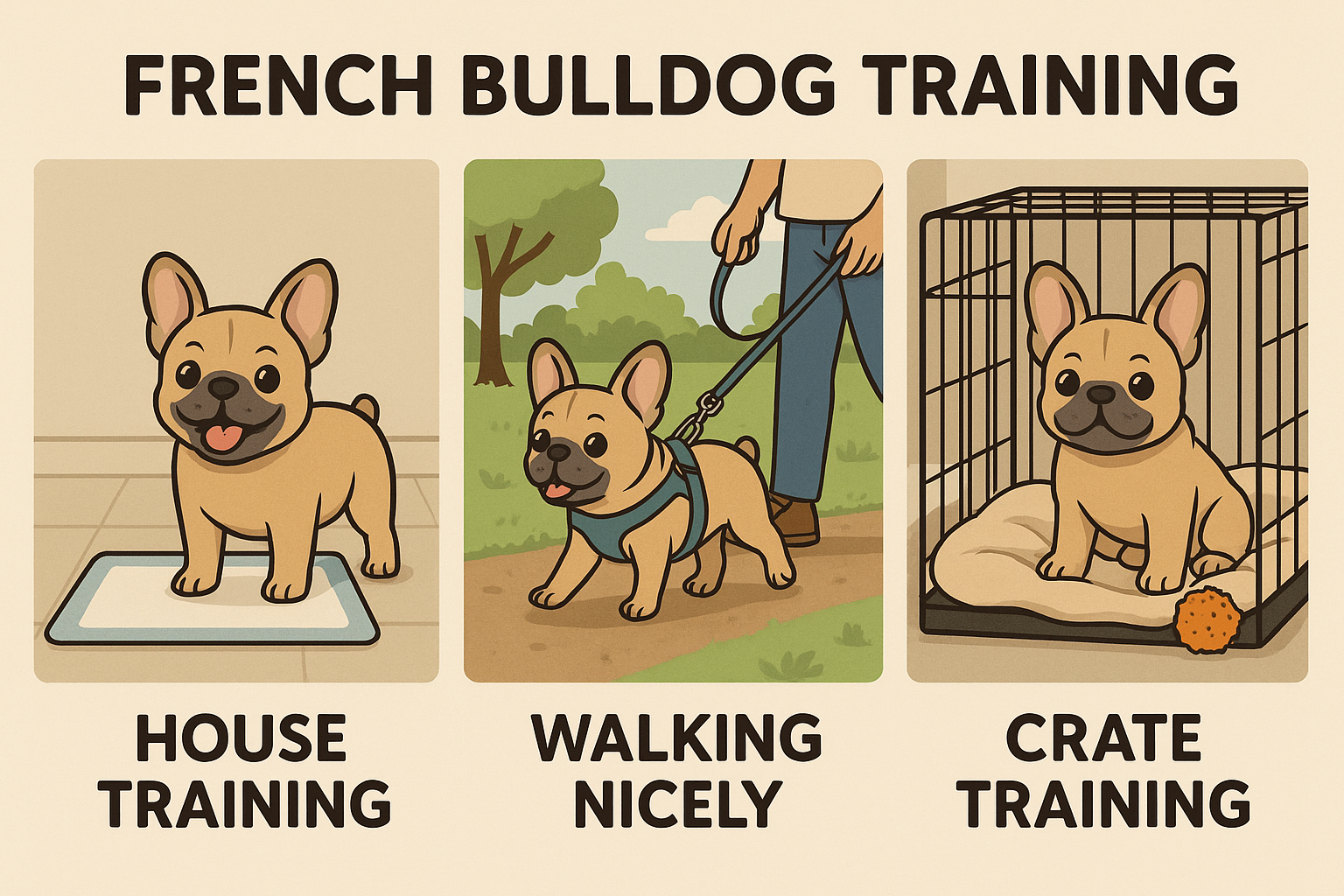
Once your French Bulldog has mastered the basics, you can move on to more advanced training and address common behavioral challenges.
Continuing Education: Advanced Commands and Tricks
French Bulldogs are smart and enjoy learning new things. Continuing their education keeps their minds sharp and strengthens your bond.
- “Leave It” and “Drop It”: These commands are crucial for safety, preventing your Frenchie from picking up dangerous items or dropping something they shouldn’t have.
- Target Training: Teaching your Frenchie to touch their nose to your hand (or a target stick) is a great foundation for more complex tricks and can be very useful for guiding them.
- Trick Training: “Shake a paw,” “roll over,” or “play dead” are fun tricks that provide mental stimulation and impress your friends.
- Agility or Scent Work (Modified): While not typically suited for intense physical agility due to their breathing, modified agility or scent work can be excellent mental and physical outlets for French Bulldogs.
Addressing Common French Bulldog Behavior Challenges
Even with the best foundation, some behavioral issues might arise. Here are some French bulldog training tips for common problems:
- Nipping and Biting: Puppy biting is natural. Redirect nipping onto appropriate chew toys. If they bite too hard, yelp loudly (like another puppy would), and temporarily withdraw attention. Consistency is key.
- Chewing: Provide plenty of appropriate chew toys. If your Frenchie chews something they shouldn shouldn’t, interrupt gently, redirect to an approved toy, and praise them for chewing the right thing.
- Excessive Barking: Identify the cause of barking (boredom, attention-seeking, alarm). Address the root cause with exercise, mental stimulation, or desensitization. Teach a “quiet” command.
- Separation Anxiety: French Bulldogs are prone to separation anxiety. Start leaving them alone for very short periods, gradually increasing the duration. Provide stimulating toys or a frozen Kong to keep them occupied. Ensure their crate is a safe, positive space.
- Stubbornness: Frenchies can be notoriously stubborn. Keep training sessions positive, engaging, and short. Don’t get into a power struggle. If they’re being stubborn, take a break and try again later. Sometimes they just need a moment to process.
The Importance of Health and Wellness in Training
A healthy French Bulldog is a well-trained French Bulldog. Their unique brachycephalic structure means they have specific health considerations that impact training.
- Breathing Issues: Be mindful of their breathing, especially during exercise or in warm weather. Avoid overexertion. Training sessions should be calm and not involve intense physical activity, especially when it’s hot.
- Temperature Sensitivity: French Bulldogs are prone to overheating. Train indoors during hot weather and provide plenty of water. Conversely, they can also get cold easily, so consider French Bulldog clothes for cooler climates. Read our all-weather care guide for lilac Frenchies for more insights.
- Weight Management: Keeping your Frenchie at a healthy weight is crucial to prevent exacerbating breathing problems and joint issues. This means monitoring treats during training!
- Regular Vet Check-ups: Ensure your Frenchie receives regular veterinary care to catch any health issues early.
Our commitment as AKC Frenchie breeders in Florida is to provide puppies with the best possible start, emphasizing responsible breeding for structure, health, and longevity. When you choose a puppy from us, you’re choosing a partner dedicated to the well-being of the breed.
When to Seek Professional Help
While these French bulldog training tips are comprehensive, some issues may require the expertise of a professional. Don’t hesitate to consult a certified professional dog trainer or veterinary behaviorist if:
- Your puppy exhibits aggressive behavior (growling, snapping, biting that breaks skin).
- You’re struggling with severe separation anxiety.
- Your training efforts aren’t yielding results, and you’re feeling overwhelmed.
- Your Frenchie develops sudden behavioral changes.
A good trainer can provide personalized guidance and help you navigate challenging situations, ensuring both you and your Frenchie If you’re considering bringing a French Bulldog into your life, we invite you to explore the beautiful and healthy puppies available at Designer French Bulldogs. We are dedicated to responsible breeding and ensuring our Frenchie puppies for sale find the perfect loving homes. Your future French Bulldog companion awaits!
Your 2025 French Bulldog Training Planner
Check off tasks as you complete them to track your Frenchie’s progress!
Foundation Training (Weeks 1-8)
Ongoing
Ongoing
Easy
Easy
Medium
Intermediate Training (Months 3-6)
Medium
Medium
Hard
Ongoing
Hard
Advanced & Ongoing Training (6+ Months)
Medium
Easy
Ongoing
Hard
Ongoing